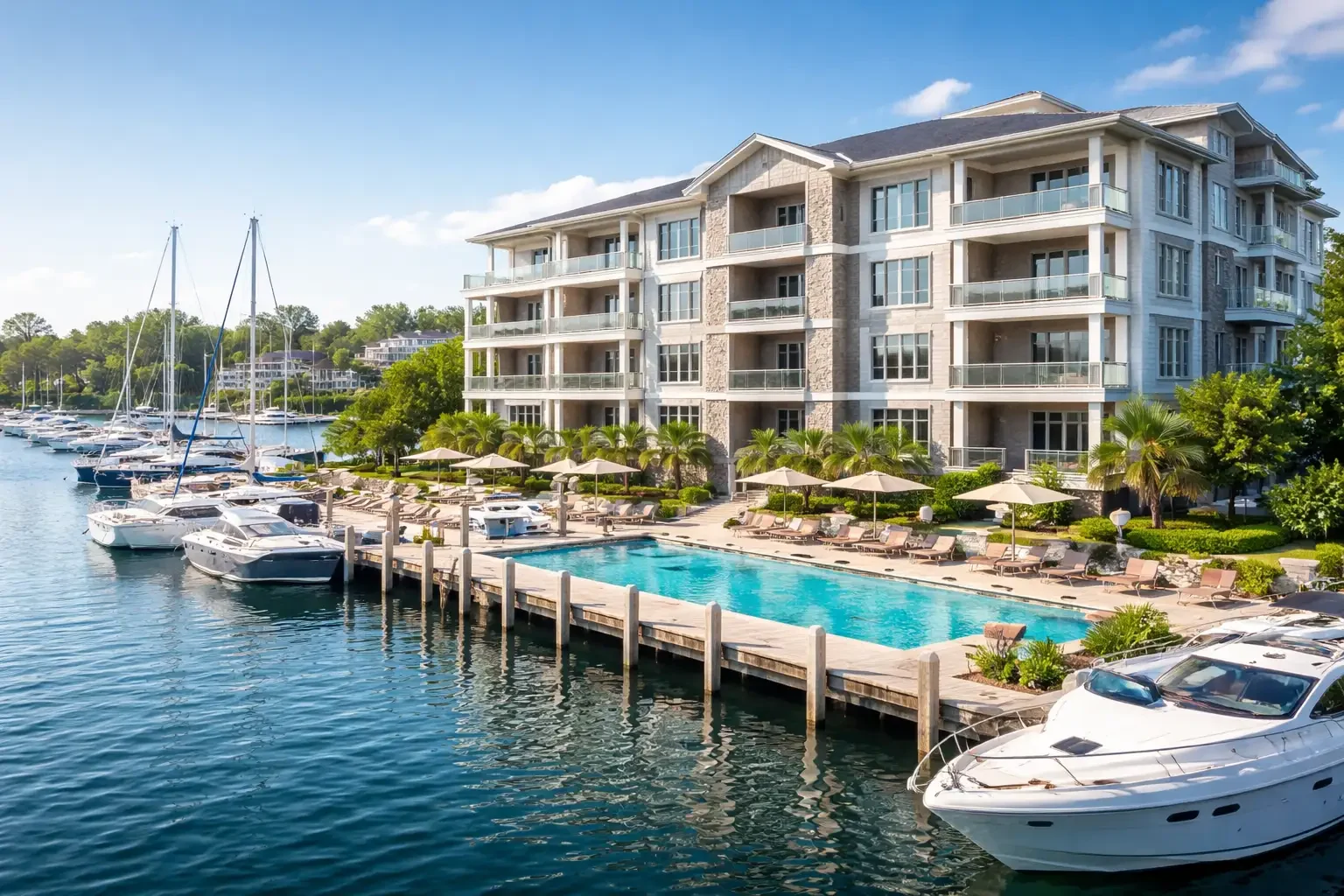

Harborview Commons Project Debrief Report — Culture & Engagement Analysis
Harbor Development Group
Prepared by: Rebecca Tran, Chief Operating Officer
Date: March 2025
Distribution: Senior Leadership, Department Heads
Classification: Internal Use Only — Confidential
Executive Summary
The Harborview Commons project, originally budgeted at $15,000,000, concluded with a 22% cost overrun and 9 months schedule delay. Employee engagement scores across Harbor Development Group declined from 78% pre-project to 41% in the most recent survey conducted nine months post-completion. During the past four months, 3 senior staff members resigned, citing burnout and lack of leadership accountability.
This debrief examines the project timeline, engagement survey results, root causes of organizational dysfunction, current team capacity, and data limitations that constrain our understanding of the crisis. The findings reveal systemic breakdowns in cross-functional coordination, decision-making authority, and communication norms that compounded reasonable departmental choices into organizational failure.
Project Timeline: Critical Incidents
The Harborview Commons project experienced four major incidents that exposed and deepened cultural fractures across the organization:
Month 4: General contractor Bayside Construction halted foundation work for eleven days after Harbor Development delayed approval of revised waterproofing specifications required by unexpected groundwater conditions. Design team blamed construction management for inadequate site assessment; construction management cited design's failure to budget contingency time.
Month 9: Construction loan draw delayed six weeks when lender required updated appraisal due to rising material costs. Finance team had flagged steel price increases in Month 6 but did not escalate to leadership. Construction management learned of the delay only when subcontractors threatened to leave the site, eroding trust between finance and operations.
Month 14: City planning commission required façade material change to meet updated historic district guidelines. Design team implemented changes without consulting construction or finance. Construction discovered the change during permit review, forcing three-week schedule adjustment. Finance later reported the change added $340,000 to project cost, which design team disputed as exaggerated.
Month 18: COO Rebecca Tran acknowledged in project debrief that leadership did not establish clear decision-making authority across departments, allowing each unit to optimize locally without considering system-wide impact. No single leader was empowered to make cross-functional trade-offs when contractor, funding, and regulatory issues converged.
Each incident followed a similar pattern: information siloed within one department, decisions made without cross-functional input, and blame assigned retroactively when consequences emerged. By Month 18, departments were operating in defensive postures rather than collaborative problem-solving.
Employee Engagement Survey Results
Overall Engagement Trends
| Metric | Pre-Project | Current (9 Months Post-Completion) | Change |
|---|---|---|---|
| Overall Engagement Score | 78% | 41% | -37 points |
The 37-point collapse represents the steepest engagement decline in Harbor Development's sixteen-year history. Survey participation rate remained consistent at 89%, indicating the results reflect genuine sentiment rather than response bias.
Departmental Engagement Breakdown
| Department | Current Engagement Score |
|---|---|
| Design Team | 38% |
| Construction Management Team | 35% |
| Finance Team | 47% |
Construction management reported the lowest engagement, followed closely by design. Finance team scores, while higher than other departments, still represent a significant decline from pre-project baselines. Open-ended survey comments reveal distinct departmental narratives about the project's failures:
Design staff survey comment: 'We followed the city's requirements exactly, but construction and finance blamed us for cost overruns we didn't control. No one acknowledged the regulatory complexity we navigated.'
Construction management survey comment: 'Finance kept us in the dark about funding issues until subcontractors were ready to walk. We can't manage a project when critical information doesn't reach us until it's a crisis.'
Finance team survey comment: 'We flagged cost risks early, but no one wanted to hear bad news. When we finally escalated, we were blamed for not being louder sooner. There's no safe way to raise concerns here.'
These comments illustrate a shared perception of blame without corresponding acknowledgment of systemic coordination failures. Each department feels misunderstood and unfairly criticized, yet none report receiving adequate support or clarity from leadership during the project.
Root Cause Analysis: Systemic Dysfunction
The debrief process identified a core organizational failure: Each department made defensible decisions within its own scope—design prioritized regulatory compliance, construction focused on schedule recovery, finance protected cash flow—but no mechanism existed to surface trade-offs or align priorities, causing decisions to compound into dysfunction.
Design's decision to implement the Month 14 façade change without consultation was consistent with their mandate to ensure permit approval. Construction's frustration with the funding delay in Month 9 was justified given the operational impact. Finance's early flagging of steel cost increases demonstrated appropriate risk monitoring. Yet these individually reasonable actions collided because no leader had authority or visibility to coordinate across functions.
Leadership did not establish decision-making protocols for cross-functional trade-offs. When contractor disputes, funding constraints, and regulatory changes converged, departments defaulted to local optimization. The resulting finger-pointing reflects not individual incompetence but structural ambiguity about who owns integration decisions when technical, financial, and operational concerns conflict.
The absence of a shared escalation framework meant that early warnings (steel price increases in Month 6, groundwater issues in Month 4) were either not communicated or not acted upon until they became crises. Departments learned that raising concerns led to blame rather than collaborative problem-solving, creating a feedback loop that suppressed information flow and reinforced silos.
Current Organizational State
Nine months after Harborview Commons completion, Harbor Development Group operates under significant capacity and cultural constraints:
Team Size and Project Load:
The organization currently employs 40 staff members managing 2 active projects (Tidewater Lofts and Eastport Retail Commons). COO Rebecca Tran and VP of Development Marcus Chen are currently managing two active projects (Tidewater Lofts and Eastport Retail Commons) while overseeing bid preparation for a third project. Leadership availability for culture initiatives is limited to approximately four hours per week combined.
HR and Administrative Capacity:
Harbor Development does not have a dedicated HR manager. Administrative operations are handled by Office Manager Diane Cartwright, who supports finance, legal compliance, and benefits administration across all forty employees. The organization lacks internal capacity to design or facilitate culture interventions without external support or significant reallocation of leadership time.
Staff Readiness and Sentiment:
Debrief interviews revealed that twelve staff members across design and construction units expressed skepticism about 'another initiative' unless leadership demonstrates accountability first. Five staff members indicated openness to structured dialogue if it includes genuine two-way feedback.
This sentiment reflects a trust deficit: staff do not believe leadership will follow through on culture work, and many perceive previous initiatives as performative rather than substantive. Any intervention must address this skepticism directly or risk deepening cynicism.
Data Limitations and Missing Information
This debrief captures aggregate trends and critical incidents, but significant gaps remain:
Team Composition:
The debrief did not capture detailed role-level breakdown within the design, construction, and finance teams. Current distribution of junior versus senior staff, tenure, and specific skill gaps are not documented.
External Facilitator Budget:
The debrief does not specify whether Harbor Development has allocated budget for external culture consultants or facilitators. Assumptions about intervention costs and funding approval are not validated.
Individual Readiness:
While aggregate sentiment was captured, the debrief did not assess individual readiness for culture change across all forty employees. Variation in openness to interventions by role, tenure, or project involvement is not documented.
These gaps limit our ability to design targeted interventions. Any culture recovery plan must either validate these assumptions through additional data collection or explicitly acknowledge the risks of proceeding with incomplete information.
Conclusion
The Harborview Commons project revealed structural failures in decision-making authority, cross-functional communication, and leadership accountability. The resulting engagement collapse and senior staff attrition threaten Harbor Development's ability to execute current projects and compete for future work. Addressing these issues requires interventions that rebuild trust, establish clear coordination mechanisms, and demonstrate leadership commitment to systemic change rather than departmental blame.
CONFIDENTIALITY NOTICE: This document contains proprietary and sensitive information about Harbor Development Group's internal operations, employee sentiment, and organizational challenges. It is intended solely for the use of senior leadership and department heads. Unauthorized distribution, reproduction, or discussion of this material outside designated recipients is prohibited and may result in disciplinary action.